HMC Architects’ Oliver Nicolas on Regional Trends, Deferred Maintenance and Early Collaboration
HMC Architects recently welcomed Oliver Nicolas to the firm’s PreK-12 practice as Principal-in-Charge.
Higher education campuses rarely have the luxury of shutting down for construction.
Today, educational architects and school districts recognize that physical security must coexist with a student’s psychological well-being.
Construction recently topped out on Metropolitan State University of Denver’s (MSU Denver) Summit House, a 12-story student housing development that marks the university’s first on-campus residence hall in its 60-year history.
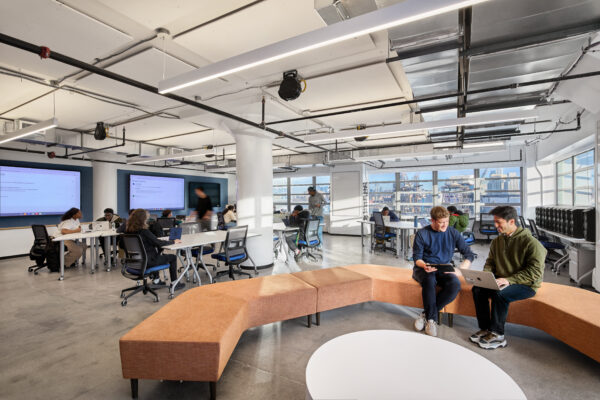
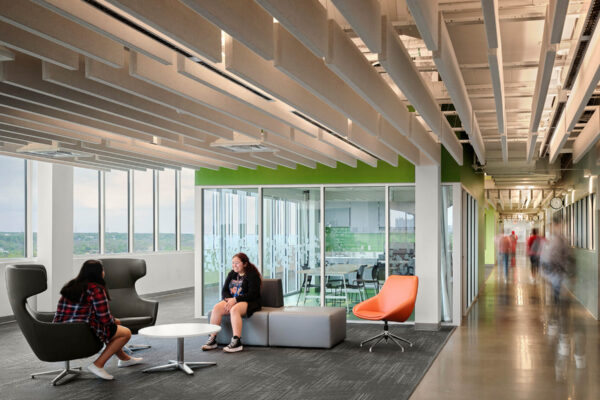
While conversations once centered on flexible classrooms, daylighting and collaborative spaces, today’s education planners are asking a more fundamental question: how does the environment itself influence learning?
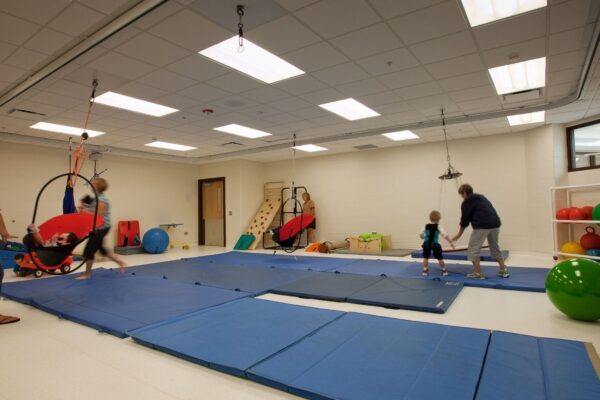
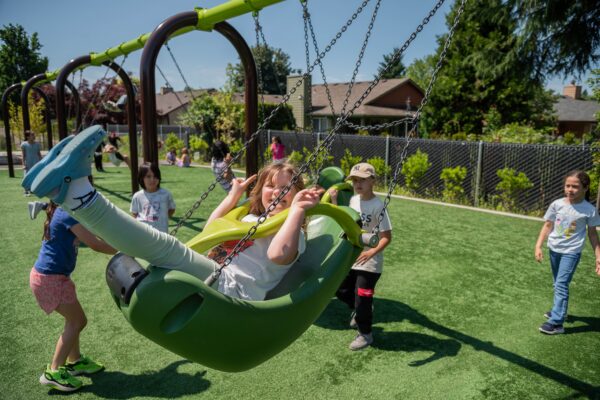
Playground design has evolved beyond swings and slides.
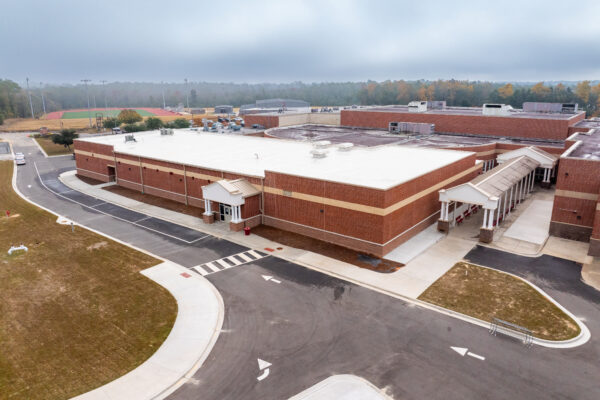
Many aging school facilities are in need of repair, failing to meet current building code and safety standards, and requiring significant investment.
As schools evolve to support flexible learning environments, they must also be designed to help occupants move safely during emergencies without sacrificing openness or functionality.
For Dr. Drew Coleman, Chief of Schools at Jeffco Public Schools, the physical environment is an important — and sometimes overlooked — part of that experience.
As schools invest in construction and renovation projects, facility teams are paying closer attention to how design decisions affect maintenance demands, operational efficiency, accessibility, and long-term reliability.