
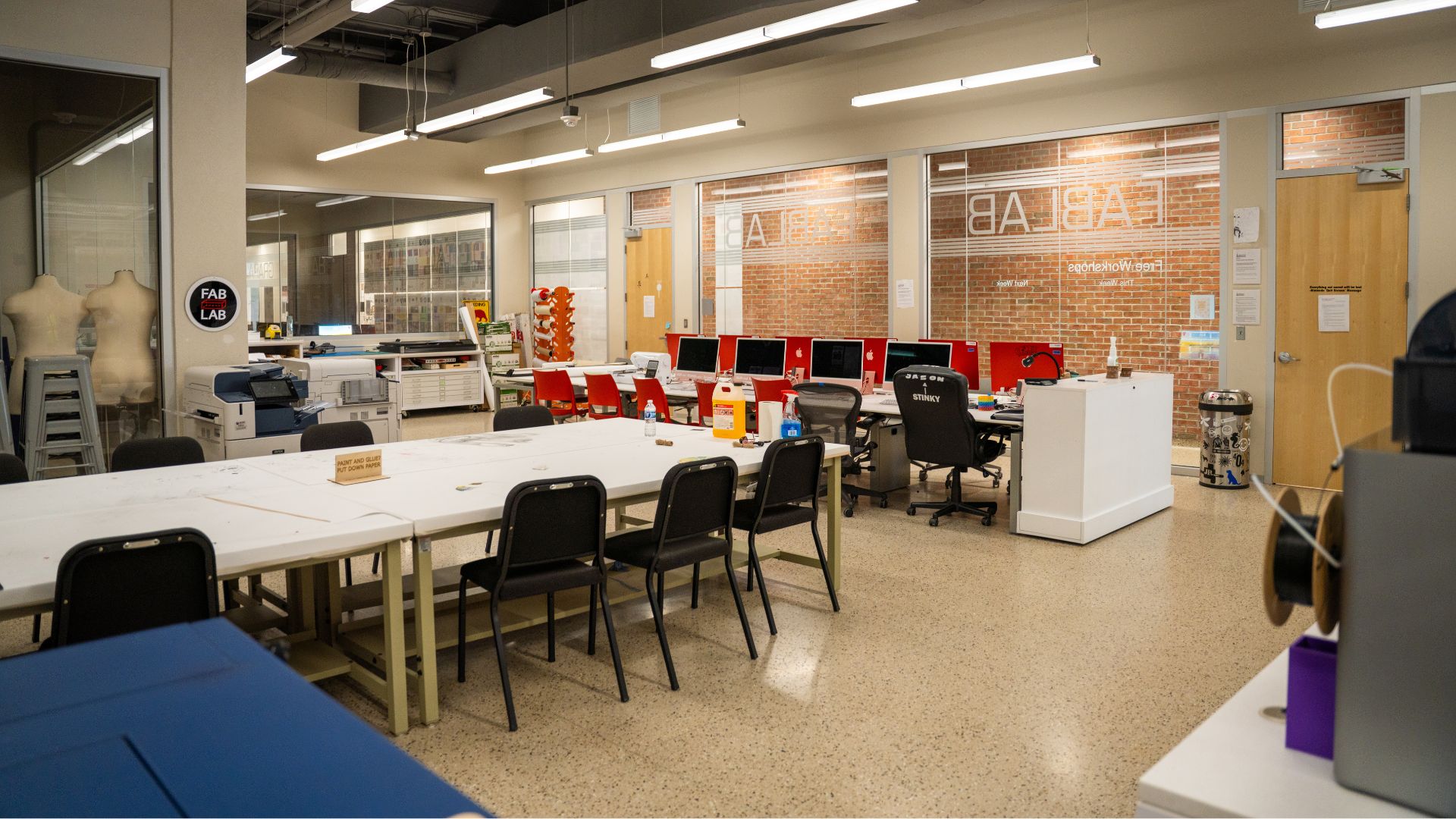
When contractors understand how a building (such as the University of South Florida Fab Lab, pictured here) functions, they can develop phasing plans that reduce unnecessary interruptions and allow the institution to continue operating as smoothly as possible. | Photo Credit: Alicia Rupe
By Michael Bucalo, President & Owner, Friedrich Watkins Construction
Higher education campuses rarely have the luxury of shutting down for construction. Libraries remain filled with students preparing for exams. Faculty continue teaching and conducting research. Staff maintain daily operations. Yet across the country, colleges and universities are investing heavily in modernizing aging facilities to meet evolving academic, technological and student needs.
For contractors and campus leaders alike, the challenge is no longer simply completing a project on time and within budget. Success is measured by how well construction teams minimize disruption while maintaining a safe, functional environment for everyone who continues to use the building. Working on occupied educational facilities has reinforced an important lesson: construction planning must begin with the people who rely on the space every day.
Start With the Campus Experience
Every educational facility serves a different purpose. A library operates differently than a science building, student union, or athletic facility. Before construction begins, project teams should understand how students, faculty, visitors and staff interact with the building throughout the day.
Questions such as peak occupancy times, critical academic schedules, special events, and accessibility concerns should all be addressed during preconstruction planning — not after work begins. When contractors understand how a building functions, they can develop phasing plans that reduce unnecessary interruptions and allow the institution to continue operating as smoothly as possible.
Communication Is as Important as Construction
One of the most overlooked aspects of occupied campus renovations is communication.
Project owners, facilities teams, contractors, subcontractors, faculty, and campus leadership all need clear expectations before work begins. Regular updates help minimize confusion, reduce frustration and allow departments to prepare for temporary changes.
Simple communication tools, including weekly planning meetings, updated construction schedules, clear signage, and designated points of contact often prevent small issues from becoming significant operational challenges. The goal is not only to keep the project moving but also to maintain confidence among everyone affected by the work.
Safety Extends Beyond the Jobsite
Occupied campuses require contractors to think differently about safety. Unlike a closed construction site, universities have thousands of students, faculty, visitors, and staff moving through adjacent spaces each day. Construction activities must account for pedestrian traffic, emergency access, deliveries, accessibility routes and changing campus schedules.
Safety planning should include more than OSHA compliance. It should focus on protecting the campus community while allowing construction activities to proceed efficiently. Thoughtful logistics planning, secure work zones, dust and noise mitigation, and close coordination with campus facilities departments all contribute to a safer project.
Flexibility Is Essential
No occupied project unfolds exactly as planned. Academic calendars shift. Campus events are added. Deliveries change. Building occupants identify unforeseen needs after construction begins.
Successful contractors recognize that flexibility is not a disruption to the process, it is part of the process. Teams that communicate early, adapt quickly, and remain focused on solutions rather than obstacles create stronger partnerships with their clients and ultimately deliver better outcomes.
Success Means More Than Completing the Project
Construction teams naturally focus on schedules, budgets, and quality. Universities measure success a little differently.
- Did students continue learning with minimal disruption?
- Did faculty remain productive?
- Did campus operations continue safely?
- Did communication remain proactive throughout the project?
The answers to those questions often determine whether a contractor becomes a long-term partner rather than simply completing a single project.
Building Relationships Alongside Buildings
As higher education institutions continue investing in renovations and modernization, contractors have an opportunity to become more than builders. They can become partners who understand campus operations, anticipate challenges before they occur and deliver projects that support the institution’s broader mission.
The most successful educational construction projects are not remembered because construction happened. They are remembered because learning never stopped.
Mike Bucalo is the President and Owner of Friedrich Watkins Construction of Tampa. Learn more by visiting www.fwctampa.com.