
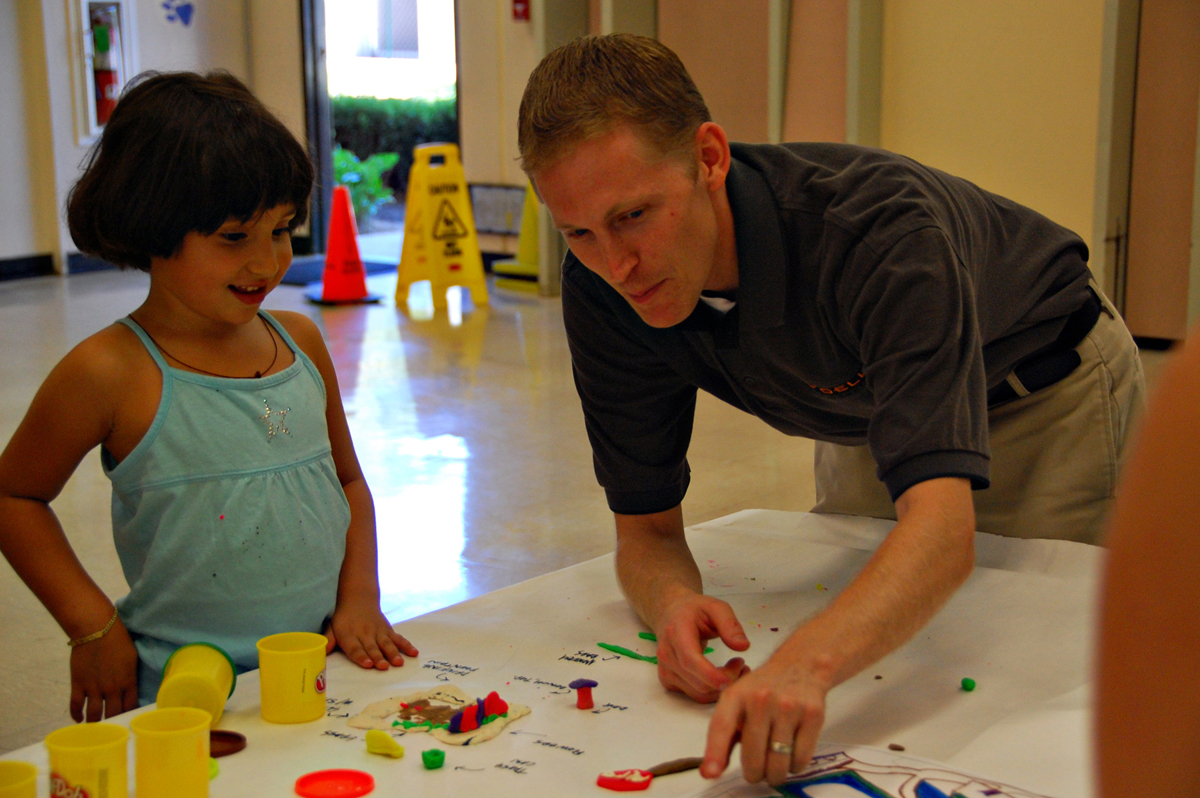
In an inclusive playground, students learn problem-solving, teamwork and conflict resolution in real-time. Sensory-friendly elements allow children to explore different inputs, helping them understand and manage their own personal sensory thresholds. | Photo Credit: Westwood
By Chad Kennedy
Part I of this series explored the important role inclusive playgrounds play in supporting childhood development and extending learning beyond the classroom. Unlike conventional playgrounds, which often emphasize physical activity, inclusive play spaces incorporate sensory-friendly features, flexible play opportunities and nature-based elements that encourage social interaction, creativity, emotional regulation and engagement among children of all abilities.
While these environments offer significant educational and developmental benefits, barriers related to funding, maintenance and traditional perceptions of play continue to limit their adoption.
Despite the overwhelming benefits of inclusive playgrounds, several challenges prevent widespread schoolyard adoption. Part II examines these challenges and outlines practical strategies for schools seeking to create more inclusive outdoor learning environments.
The Misconception that Playgrounds Are Not Educational
Many school administrators and policymakers still understandably perceive playgrounds as spaces for unstructured activity rather than integral learning components. This belief leads to underinvestment in outdoor play areas.
While attending the 2025 National Conference on Play at Indiana State University, I heard countless educators express that they are not included in the design process of the playgrounds that they are expected to utilize. Similarly, on a recent call with a large school district in the South, a Facility Manager told me that several families of students with disabilities were dissatisfied with a recent playground installation project that didn’t include them and were very vocal about its lack of inclusive features, resulting in the need for experts to get involved post-construction.
School facility and management teams can embrace the research supporting play-based learning that their own education staff and experts in the field are familiar with and include their students and families in the process.
This does mean that the planning of projects might take a little more time and effort, but it provides real-world input from students and families on their developing problem-solving skills, creativity, and social resilience. This process can shift perspectives and create positive progress. Also, if education teams can demonstrate and present the positive impact of outdoor learning spaces on student engagement and mental well-being to decision makers, they can help integrate playgrounds into school planning discussions.
Lack of Funding and Maintenance Concerns
Budget constraints often prevent schools from prioritizing inclusive outdoor spaces. Administrators may see these projects as expensive, and ongoing maintenance can be a deterrent. Many facility managers also prefer to have all playgrounds throughout their districts match, requiring less pieces to be held on hand for repairs.
Cost-effective strategies such as using modular play elements, leveraging community partnerships and incorporating green infrastructure can make inclusive playgrounds more feasible. Schools can collaborate with local businesses, nonprofits and parent advocacy groups to secure funding. Additionally, thoughtful design incorporating natural elements — such as shade trees and sensory gardens — can reduce long-term maintenance costs compared to traditional asphalt and plastic play structures.
Educators also need to work together with facility teams to recognize that not all children are the same, and not every school or neighborhood has the same needs. There needs to be some diversity in play spaces in order to match the diversity in the school’s demographics.
The One-Size-Fits-All Approach to Playground Design
Many school playgrounds are designed without considering students’ diverse needs. As a result, children who require different forms of play, particularly those with disabilities and sensory sensitivities, are often left out.
Schools can embrace varied play experiences, incorporating tactile pathways, adjustable height equipment, and quiet zones. Providing multiple types of play — such as active play areas, nature exploration and sensory-based spaces — ensures that all children can engage meaningfully in a way that matches the way they play.
A few years ago, a misguided educator told me that they only wanted active play features for their playground because they don’t allow children to be idle during recess. They wanted the children to work out their wiggles. What she failed to recognize is that for some children, the exertion of that energy during recess only works them up to an imbalanced state, when what they really needed was a break from all the social noise and chaos around them. Those children need smaller quite spaces and exploratory play that engages them in a different way. Diversity in the play environment will help meet the various needs of the children.
Resistance to Change
Institutional inertia often slows progress in adopting inclusive design. Decision-makers may resist altering existing playgrounds due to political concerns or a lack of awareness.
There are great project and curriculum examples all over the U.S. that teams can highlight to build support for broader implementation. Additionally, the flexibility of school-managed playgrounds allows for gradual improvements and iterative design based on ongoing observation and feedback from students and educators.
The Urgency of Inclusive Playgrounds
The need for inclusive playgrounds has never been more pressing. The push for justice in education continues to gain traction, and parents are increasingly aware that they have choices in their children’s educational environments. Inclusive playgrounds directly respond to the need for greater accessibility and inclusivity in schools, ensuring that all children can learn and thrive together.
Furthermore, playground design should consider children’s evolving experiences. What engages a kindergartener will differ from what excites a sixth grader, emphasizing the need for layered, exploratory spaces that allow children to engage at different levels as they grow. Observing and refining their outdoor spaces will help them remain relevant, engaging and beneficial.
The lingering impact of COVID-19 also underscores the importance of trauma-informed design. Many children continue to experience anxiety and social disengagement because of the pandemic. Inclusive playgrounds can serve as spaces for re-establishing trust, fostering positive interactions, and supporting emotional resilience. Thoughtful design elements — such as observation points where children can feel safe while gradually engaging with peers — help ease social reintegration.
The future of education can extend beyond the confines of traditional classrooms. Inclusive playgrounds offer more than recreation; they are dynamic learning environments that support cognitive, social and emotional development. Schools that prioritize these spaces will foster deeper engagement, encourage positive socialization and promote student well-being. By integrating inclusive play into the educational framework and even into curriculum schools can create spaces where all children can explore, play and learn — on their terms, in a way that suits their unique needs.
Chad Kennedy, FASLA, CPSI, is a Director, Landscape Architecture with Westwood.