
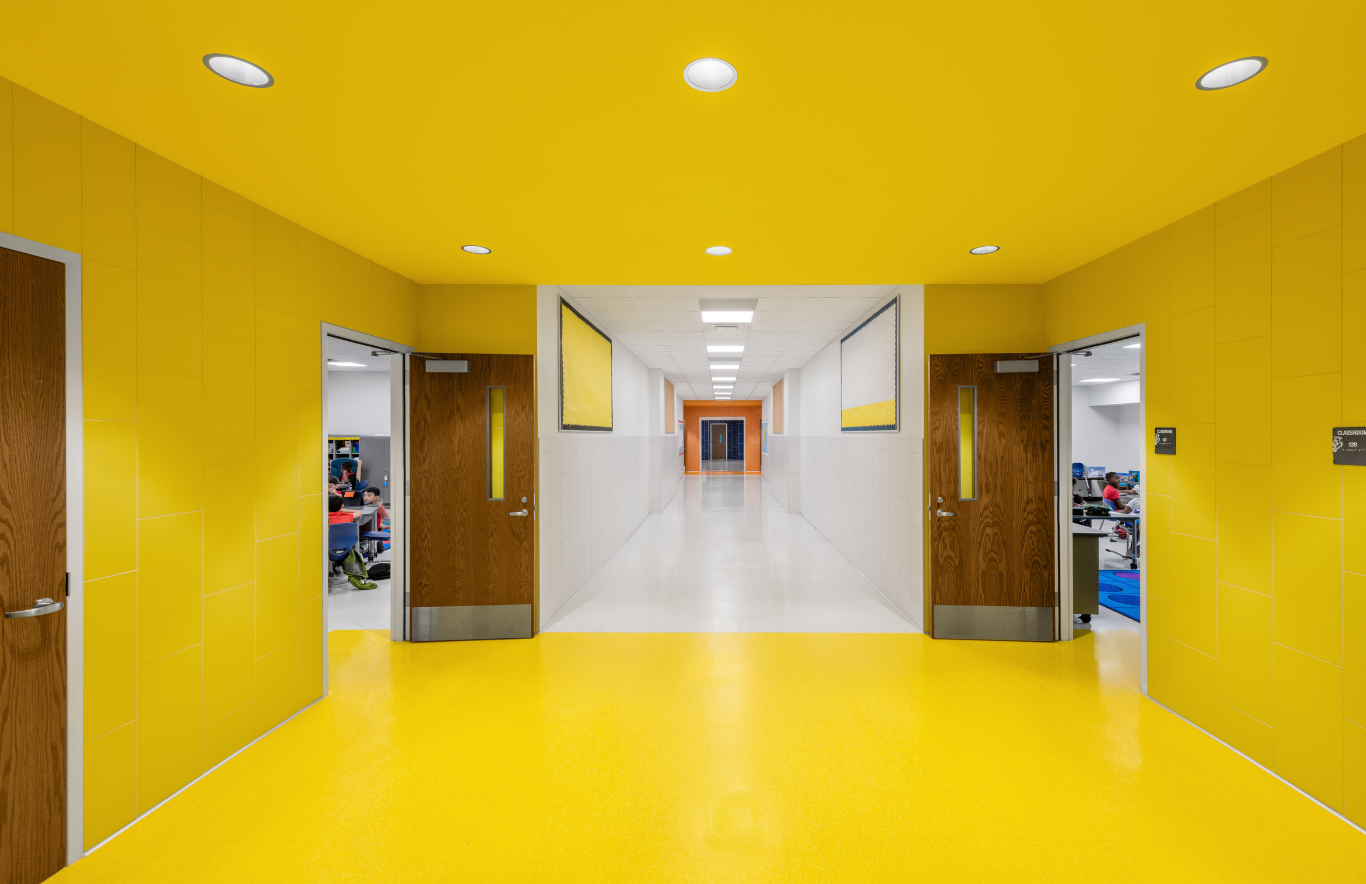
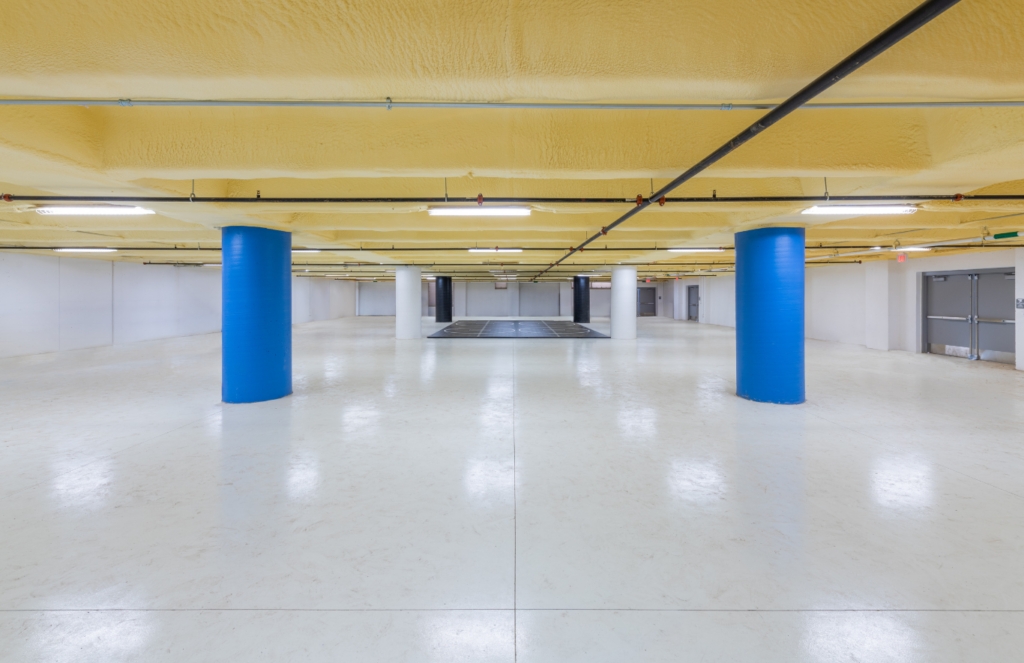
The storm shelter at Dallas ISD H.S. Thompson Elementary School. | Photo Credit (all): Courtesy of KAI 360
By Herschel Acosta, CCM
Disaster recovery is a word often heard, but few truly experience firsthand. Whether it’s a hurricane, flood, tornado, chemical/biological risks, or man-made event, the threat of disaster, whether visible or invisible, is real enough to demand preparedness.
Facility managers play a pivotal role in how well a school weathers and recovers from a crisis. Preparation determines resilience.
Below are a few principles that can help facility managers prepare for the disasters that they hope will never come, but must always be ready for:
1. Pre-Event Planning
A good offense begins with a strong defense. The foundation of resilience lies in risk assessment, hazard mapping, and training.
Every region has its own threats. Coastal areas face hurricanes, the central U.S. deals with tornadoes, and sadly, schools everywhere must now consider active-shooter scenarios. Other facilities may face chemical hazards from nearby manufacturing plants or recurring flooding. The key is to identify local risks and understand a school’s vulnerabilities.
Once the risks are mapped, the next step is to develop an emergency operations plan tailored to each campus—not a generic binder, but a living document aligned with their district’s resources and the capabilities of local fire, police, and emergency response teams.
If possible, facility managers should conduct walkthroughs with first responders. These site visits often reveal insights that can’t be captured in a plan alone. Some districts may even benefit from a central emergency operations hub that coordinates real-time information from all campuses. The more coordination and clarity built before a crisis, the more confident the team will be when it matters most.
2. During the Event
When a disaster unfolds, communication and calm execution make all the difference.
The biggest hurdle in any emergency is often information—too little, too late. Rumors spread faster than facts, and uncertainty erodes trust. That’s why it’s critical to establish and test communication protocols in advance. Determine who the spokesperson will be—superintendent, communications director, or a joint task force—and make sure messages are clear, consistent, and timely.
Equally important are the physical response protocols: evacuation, shelter-in-place, and lockdown. Far removed from the fire drills of years gone by, today’s risks require broader readiness. Practice both evacuation and shelter-in-place scenarios so that staff and students understand their roles.
One lesson that stands out came from the Columbine tragedy, when responders discovered that some teachers and students didn’t know their room numbers during emergency calls. Something as simple as numbering rooms visibly on the interior can make communication faster and more effective when seconds count.
3. Post-Event Recovery
Once the crisis has passed, the work is far from over. Recovery begins with safety inspections and rapid condition assessments to ensure that facilities are structurally sound. Then comes the logistical challenge of restoring learning continuity—through temporary classrooms, remote instruction, or staggered schedules—while repairs are underway.
Prioritize repairs to critical infrastructure first: water, HVAC, IT systems, and power. Document every step for insurance and reimbursement. These records become invaluable when working with FEMA or other agencies.
4. Codes, Costs, and the Fine Print
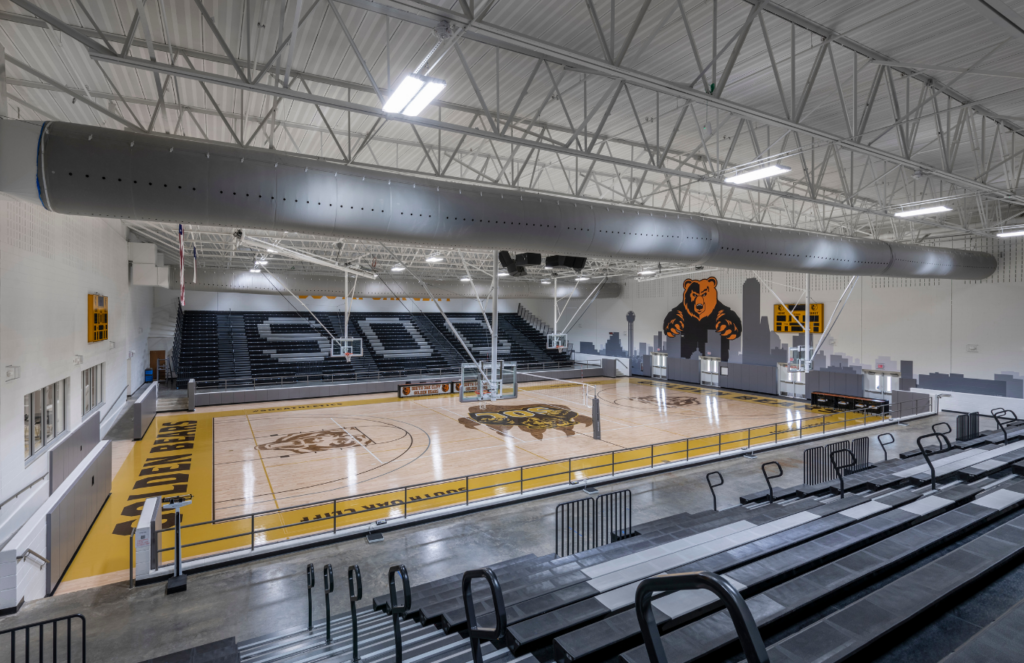
Resilience is as much about planning as it is about funding. Many states now require storm shelters as part of new school construction or major renovations; new codes may mandate that gymnasiums or other spaces double as tornado shelters.
Each funding source—federal, state, or private—comes with conditions. Understand those obligations early to avoid surprises later.
FEMA, for example, typically funds repairs to restore a building to its pre-disaster condition—not to upgrade it. That distinction matters when planning both immediate recovery and long-term resilience.
Closing Reflections
Disaster recovery is not just about responding to tragedy—it’s about building confidence in a community’s ability to endure and rebuild.
Schools are not just facilities; they are centers of life, learning, and hope. When disaster strikes, the speed and quality of recovery depend on foresight, relationships, and disciplined preparation.
Preparedness isn’t just a plan—it’s a mindset. In the words of President John F. Kennedy, “The time to repair the roof is when the sun is shining.”
The best time to prepare for the next emergency is now—when the skies are clear and there’s time to focus on foresight instead of recovery.
Herschel Acosta, CCM, is Senior Vice President for KAI 360 a program and project management firm.