
By Lindsey Coulter
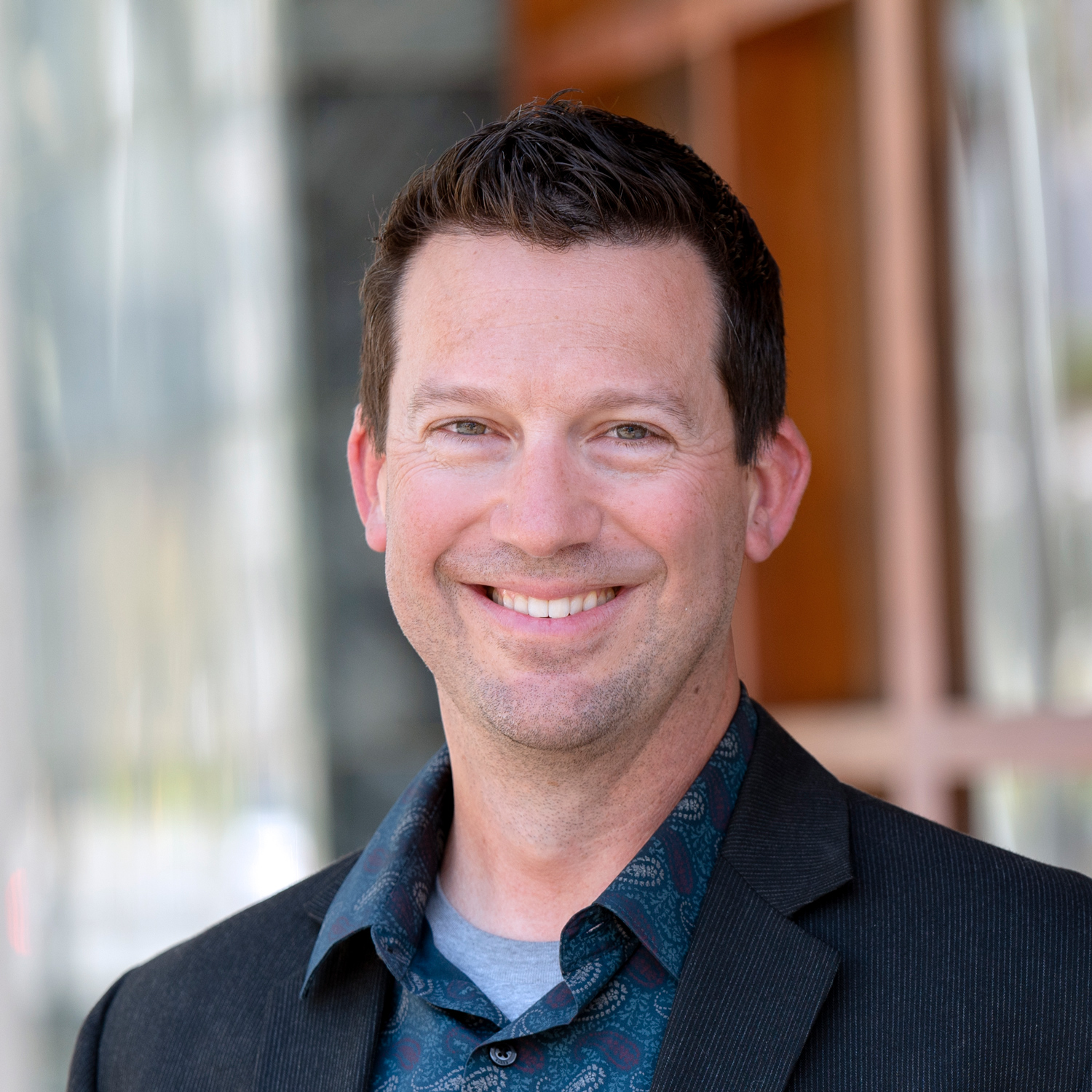
The architecture firm QKA — with offices in Santa Rosa, Calif., and Oakland, Calif. — recently advanced it’s 2030 vision by establishing an office in Castle Rock, Colo. The nearly 80-person firm now has three employees in Colorado supporting projects across the company and as they look to build a strategic pipeline of opportunities in the region. Led by Studio Director Joel Williams, AIA, LEED AP, ALEP, the team also includes Project Designers Joseph Puyot and Spencer Robinson.
Williams joined QKA in 2020 and has more than 18 years of experience in education design, from small classroom renovations to large-scale campus master planning projects. With a leadership style rooted in collaboration and communication, he will build on his established client and partner relationships to grow QKA’s presence in the Rocky Mountains.
“This expansion is a natural extension of our community-minded work in California and offers great opportunities to build our talent pipeline in a highly desirable region to live and work,” Williams said.
Williams, who will also share his insights at the School Construction News (SCN) Design & Construction Symposium in August, spoke recently with SCN to explain why Colorado is a compelling market for K-12 design, and how architecture can help schools do more with limited resources.
SCN: Colorado has seen significant growth and voter support for school bonds. How do you see those market conditions shaping the next generation of school design in the state?
Williams: Colorado voters approved nearly $6 billion in new school bond funding in the 2024 election cycle, with additional measures anticipated on the 2026 ballot. That sustained community investment reflects the same conviction we’ve seen across the Bay Area: that well-designed schools are worth funding, and that communities will back that commitment at the ballot box.
The policy landscape is similarly aligned. Evolving energy codes in both states are driving demand for schools that prioritize efficiency, renewable generation, and reduced fossil fuel reliance. Sustainability strategies that were once aspirational—daylighting, natural ventilation, solar generation, stormwater management—are now baseline expectations in both markets. The frontier of the conversation has moved upstream, from operational energy use to the embodied carbon inherent in the materials and processes required to build and renovate in the first place.
The key distinction between the two markets is demographic. California enrollment is largely stable or slightly declining, while Colorado’s population growth is driving enrollment increases and expanding housing development across the region. That translates into demand for both new campuses and significant modernization of existing ones.
SCN: Many districts are balancing enrollment growth, aging infrastructure, and budget pressure. How can architecture help schools do more with limited resources?
Williams: There is no universal answer to the gap between funding and need that every public school district faces. Sometimes a creative renovation is the right investment; sometimes demolition and replacement of an aging facility is the better long-term decision. What matters is that the solution fits the place.
In every case, the goal is the same: buildings that meet today’s needs while remaining adaptable, and that incorporate systems district facilities staff can actually operate and maintain effectively. Architecture helps schools do more with limited resources when it’s rigorous about long-term cost of ownership, not just first cost—and when it’s honest about which investments will still be paying dividends in 20 or 30 years.
SCN: Colorado districts vary widely—from fast-growing suburban systems to rural communities. How should education design adapt to very different local needs rather than relying on one-size-fits-all solutions?
Williams: Every project starts with active listening. Before we reach for a solution, we work to understand what a particular district, campus, and community actually need. We have decades of experience in school design, but we focus more on bringing that expertise to creatively respond to a client’s goals than on telling them what they should think. The best designs respond to the constraints that make a school community and site unique—not necessarily those with the largest footprint or the biggest budgets. Across a state as varied as Colorado, that posture isn’t optional; it’s the only approach that works.
SCN: You bring nearly 20 years of education design experience. What are the biggest shifts you’ve seen in learning environments over that time, and how will those lessons influence your Colorado work?
Williams: The biggest shifts haven’t been in classroom layout or building configuration; they’ve come from the systems, technology, and construction methods that make schools work over time. As I mentioned previously, this is apparent in the shift in priorities regarding sustainability strategies. As certain strategies become the baseline, we can move to focusing more on concerns like embodied carbon.
That whole-lifecycle thinking, developed through years of California work, is a direct asset as Colorado districts make long-term infrastructure decisions. Our Colorado presence isn’t designed to function as a stand-alone regional office; the vision is a distributed studio model—one firm, operating across multiple geographies, carrying the same design standards, technical rigor, and culture that have defined QKA for four decades. For Colorado districts, that means access not just to a local team, but to the full depth of QKA’s institutional knowledge, built project by project, district by district, over 40 years.