
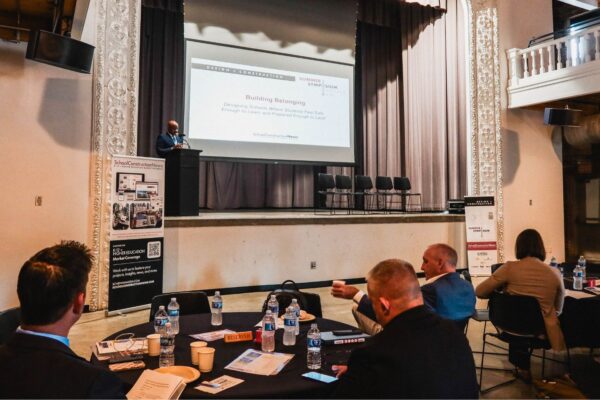
Designing for Belonging: A Conversation with Dr. Drew Coleman
For Dr. Drew Coleman, Chief of Schools at Jeffco Public Schools, the physical environment is an important — and sometimes overlooked — part of that experience.
For Dr. Drew Coleman, Chief of Schools at Jeffco Public Schools, the physical environment is an important — and sometimes overlooked — part of that experience.

As schools invest in construction and renovation projects, facility teams are paying closer attention to how design decisions affect maintenance demands, operational efficiency, accessibility, and long-term reliability.
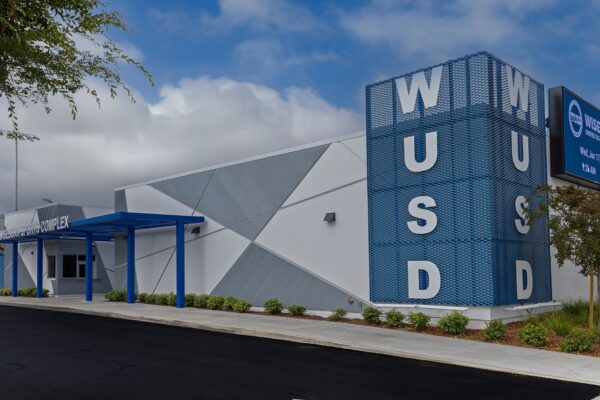
With decades of local experience and a diverse portfolio, Erickson-Hall Construction Co. continues to set the standard for building world-class educational facilities across Southern California. And while summer typically signals a quiet period on school campuses, this is when the San Diego-based firm steps into its busiest, high-energy season: the annual “Summer Sprint.”
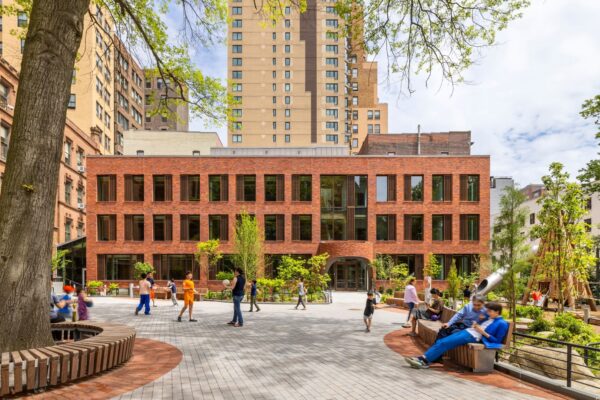
Nestled in a 1.7-acre mid-block site between Joralemon and Livingston streets in Brooklyn Heights’ Historic District, The Packer Collegiate Institute is an independent K-12 private school in Brooklyn, NY that has served students since 1845.
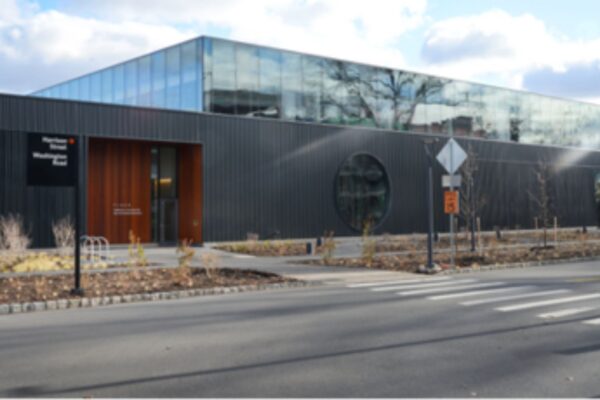
Over the last two decades, colleges and universities have done serious work on climate. Many have cut emissions, purchased renewable electricity, upgraded lighting and controls, and improved building performance. They have also set bold targets to achieve carbon neutrality by 2030, 2035 or 2040.
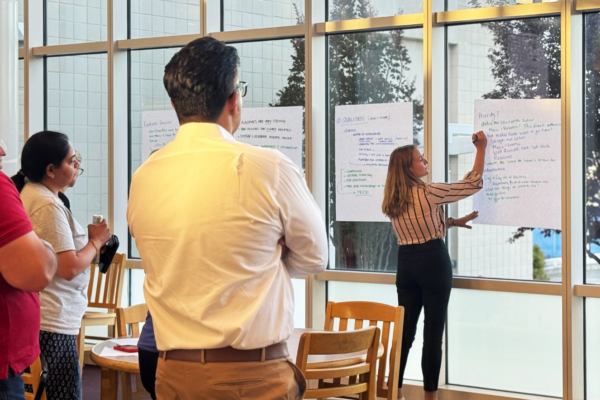
Fundamentally, it’s about the rationale for undertaking a master plan effort — the underlying “why.”

For nearly three decades, the Association of Latino Administrators and Superintendents (ALAS) has been the national home for Latino education leaders: the superintendents, administrators and rising leaders who wake up every day thinking about how to serve the more than 14 million Latino students in America’s public schools.
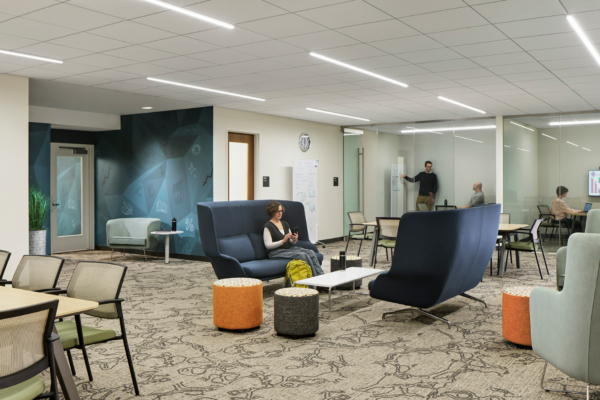
As technology, pedagogy and mental health awareness reshape how students learn, designing for neurodiversity has become essential—not optional.

By shifting toward this new qualifications-based selection, local school leaders can manage their aging buildings and upgrade their facilities more effectively while remaining responsible with taxpayer funds. This approach allows districts to stay ahead of facility needs during the “Summer Sprint” without exhausting their internal teams.
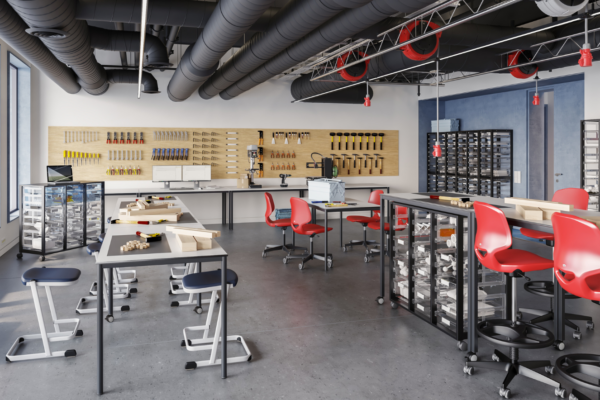
Career and Technical Education (CTE) programs build connections between academic coursework and real-world application, providing some of the most meaningful elements of career exploration.